Reading as a writer
five books that shaped me

Recently, I was asked to choose an extract from a book I love to share at an event that will celebrate books and reading. Something formative, they said. Something that had an impact on me as a writer.
Straight away I had a very long list of books I love – I’ve never thought of myself as a bookworm, the kind of neat and tidy good girl who curls up in a window seat with #cosyvibes to lose herself in a book (when I say ‘lose,’ I mean daintily immerse in book with caution). I don’t even look good in an oversized frill collar. But a cursory glance at my sagging shelves and bank statements tells you all you need to know about my relationship with books. Loves em, I do.
And the more I teach, the more I want to encourage closer reading in emerging writers – I meet too many who tell me that they don’t really read. Yet reading is essential to writers to nourish craft as well as imagination and inspiration. As I said elsewhere recently, I was a listener and reader long before I was ever a writer and these modes are fundamental to my practice now. Exposure to diverse voices and styles helps writers to absorb techniques for rhythm, structure, and emotional resonance. Reading builds empathy and challenges assumptions, offering new ways of seeing and imagining the world – it sharpens discernment and critical skills, strengthens the ability to shape and edit a narrative / poem and perhaps most important of all, reminds writers they’re part of a larger literary and cultural conversation.
I could wang on about this some more, but I won’t. I love reading and if you’re reading this you probably do too.
In the end and in the face of favourite-book-overwhelm, I thought I’d challenge myself to getting a first pass on five books that have shaped the way I think about stories and the ways we tell them. These were late adolescent / early adult books for me - I read all of these at school or early in my BA, so about a hundred million years ago… and I’m not going to describe the stories - you can Google that - but think about how they influenced me as a writer…
Here we go.
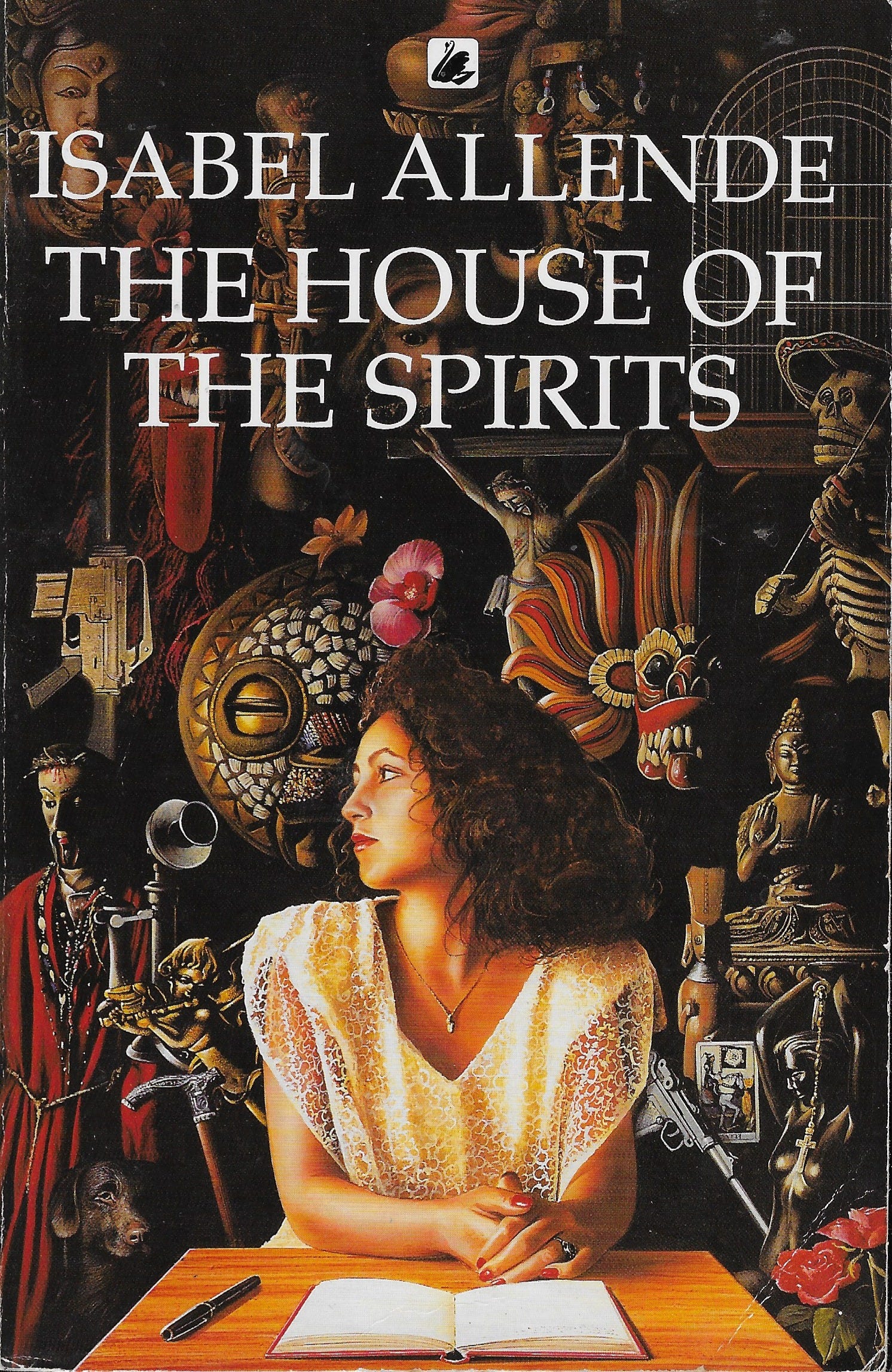
Isabelle Allende The House of the Spirits
I love The House of the Spirits for its unapologetic embrace of magical realism as a radical lens that re-enchants history, memory, and resistance. Allende’s world pulses with spirits, omens, and ancestral echoes, offering a poetic counter-narrative to political violence and patriarchal control. As a writer, it taught me that the surreal can be deeply truthful, and that creativity itself is a form of power.
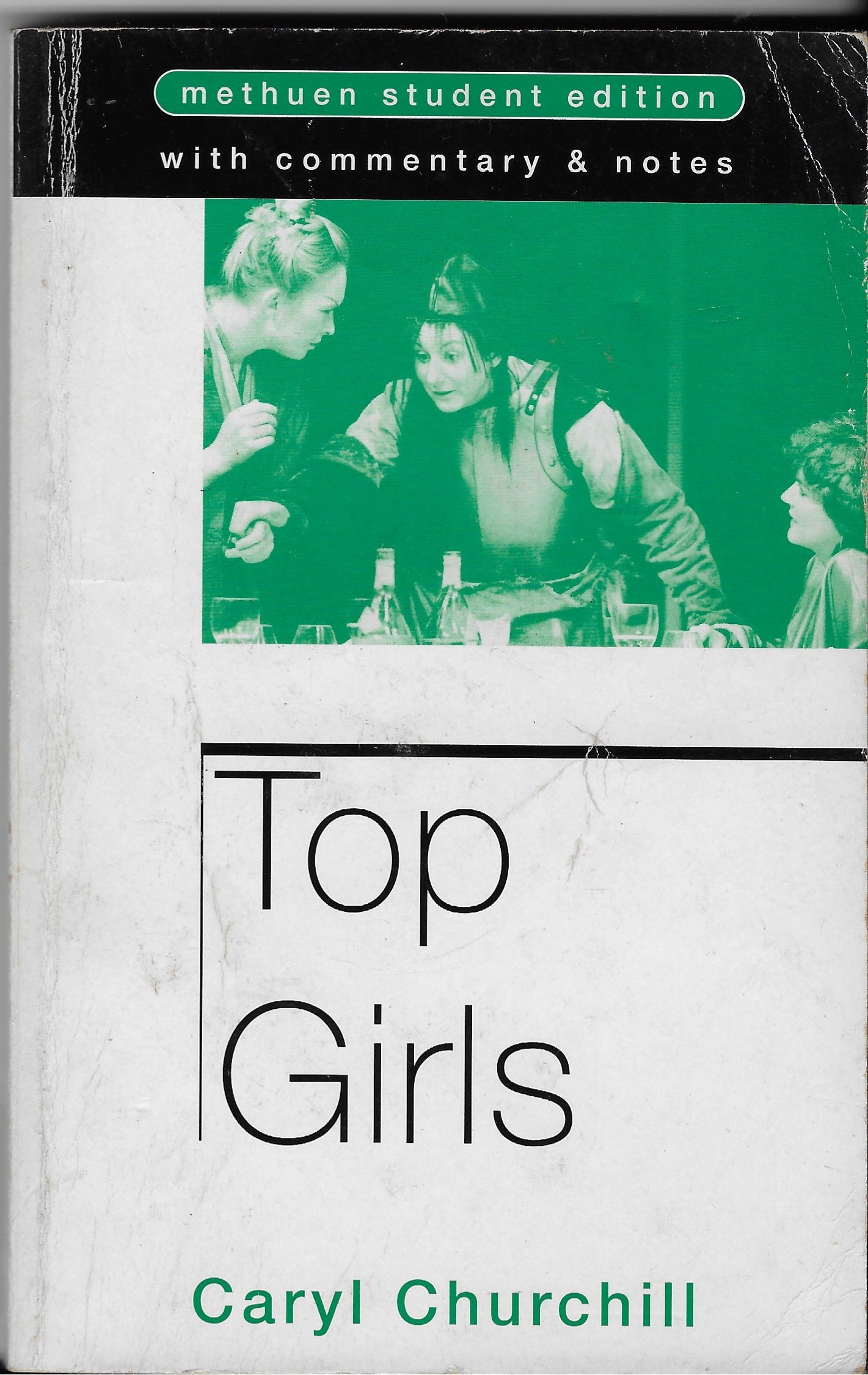
Caryl Churchill Top Girls
OK, so this is a play, not a book in the conventional sense, but my first encounter with it was as a set text on a Theatre Studies A-Level course. And yes that is my Methuen Student Edition! Top Girls got me from the off for its unconventional form and fierce, fractured voices. As a writer, it was formative because it showed me how structure can be subversive - how overlapping dialogue, historical anachronism, and theatrical dissonance can expose the cost of ambition and the complexity of feminist legacy. Churchill doesn’t just tell a story, she dismantles it, and in doing so, invites us to feel the tension between power and care, success and solidarity.
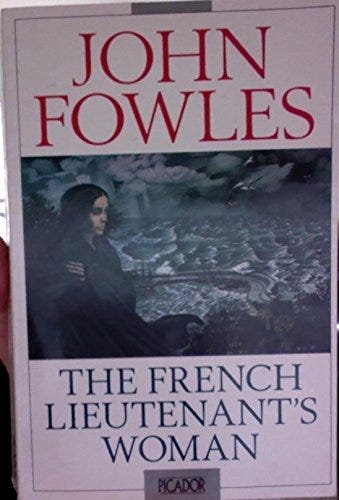
John Fowles The French Lieutenant’s Woman
The French Lieutenant’s Woman has been a lifelong love for its audacious narrative play and emotional depth. Fowles’ metafictional voice - shifting, self-aware, and deliciously unreliable - opened my eyes to storytelling as a layered, living, somwtimes contradictory act. As a writer, it was formative in showing how form can question fate, how characters can resist their author, and how history can be reimagined with empathy and wit. Like Churchill and Allende, Fowles renders time and history as something changeable and layered, challenging the illusion of historical determinism and authorial control.
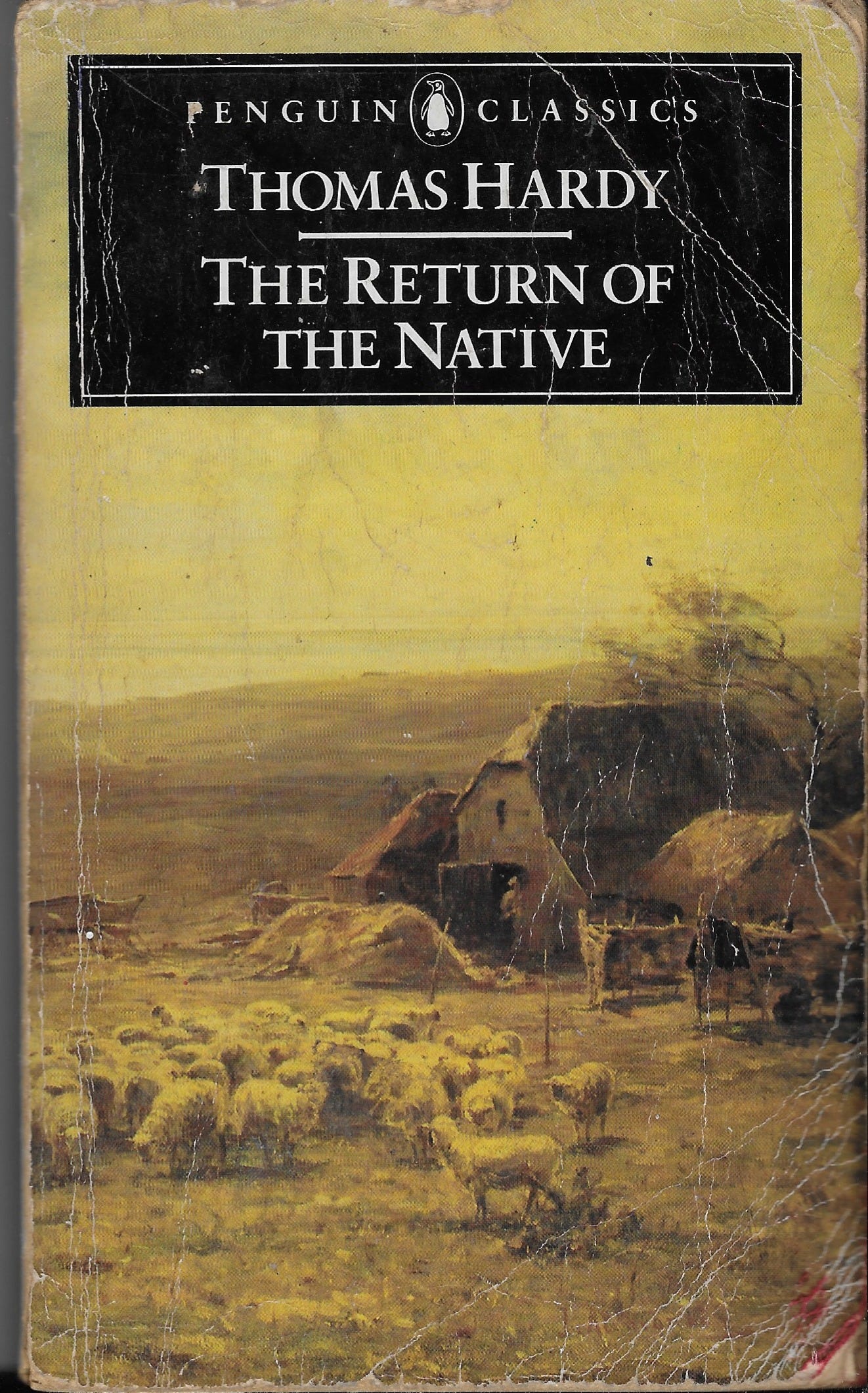
Thomas Hardy The Return of the Native
I didn’t just love Eustacia Vye as a powerful heroine, I was drawn to Hardy’s portrayal of Egdon Heath, a place that thrums with elemental presence. Landscape for Hardy is so much more than a setting, it’s a character in its own right, described often as a kind of body or almost as a personality type. I didn’t know you could do this in fiction. The Heath’s brooding vastness, its resistance to human taming, and its cyclical rhythms evoke a deep kinship with nature’s indifference and mystery. Egdon becomes a mirror for the human soul: ancient, and unyielding, yet strangely consoling in its permanence.
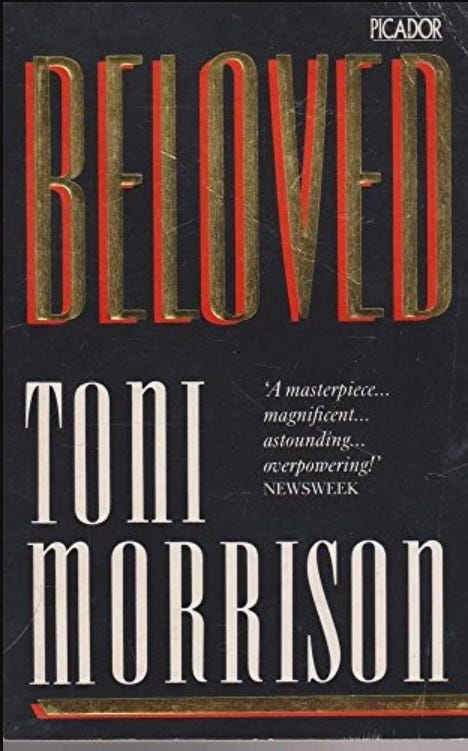
Toni Morrison Beloved
One of my favourite books of all time (and writing this post, I was bereft to discover it’s gone missing from my library), as a reader and writer, I love Beloved for its lyrical defiance - for the way Morrison hews language to hold unbearable truths. Her prose is incantatory, haunted, and tender, weaving memory, myth, and trauma into a story that refuses erasure. It’s a masterclass in emotional precision and historical reckoning, where every sentence carries the weight of intergenerational grief and the possibility of healing.
Well, social realism fangirl I am clearly not. That’s been quite a surprising excavation for me, reminding me how much I lean into nonlinear form and thinking about how we express or engage with time and stories. Now all I have to do is chose which one to read from tomorrow night at the opening event of Stroud Book Festival!
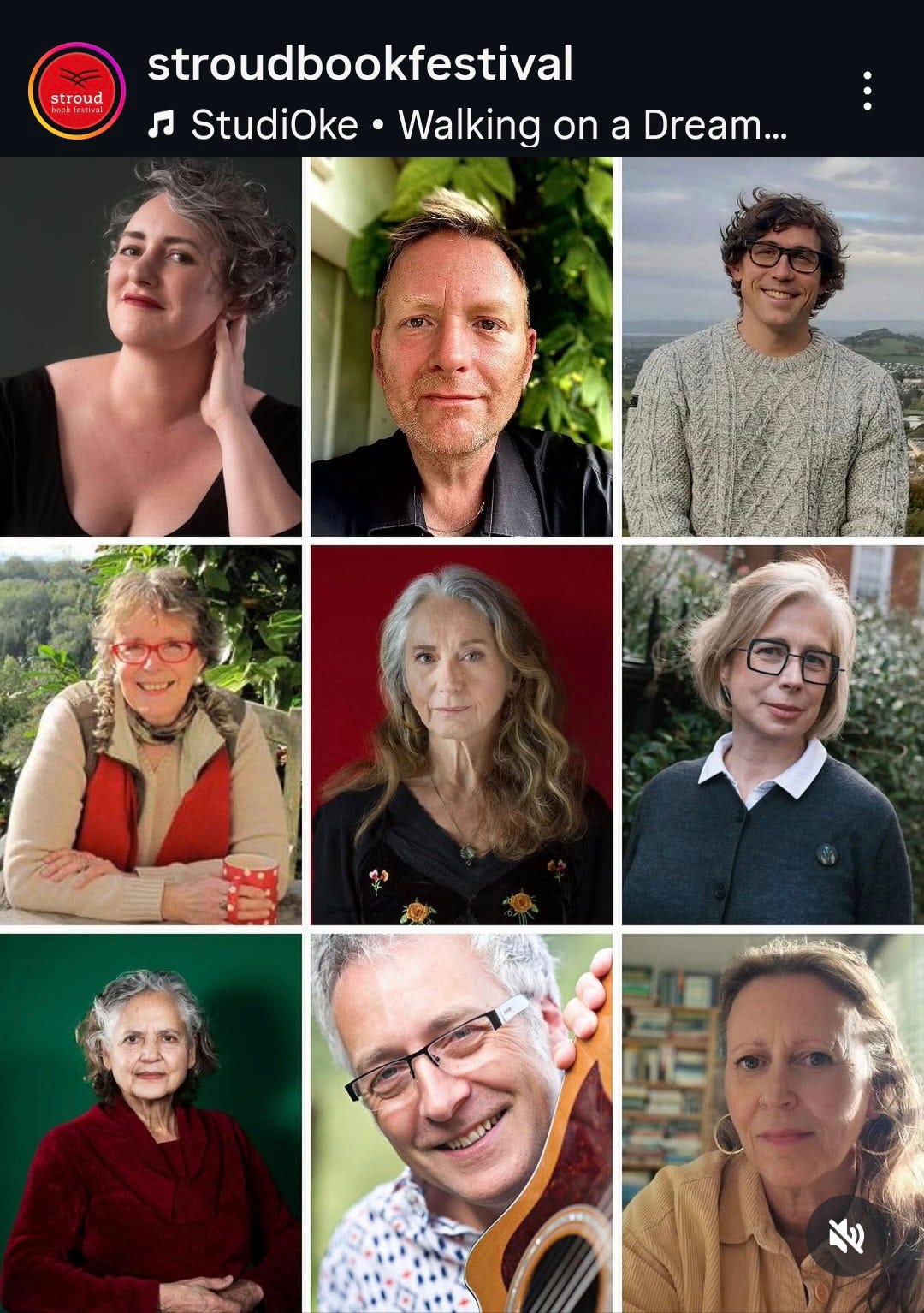
Firewords will be a celebration of books and reading and the enduring power of the written word. The event features 10 Stroud-based authors and Richard Ovenden, the 25th Bodley’s Librarian at the University of Oxford, and author of Burning the Books: A History of Knowledge Under Attack. His writing reminds us we must never take access to books and ideas for granted. In conversation with the Festival’s Programme Director, Caroline Sanderson, Richard will discuss the history of access to books and human knowledge, and why it remains a vital marker of a healthy society. Something I think we'll all agree we need right now.
Get your tickets here, we’d love to see you! I’d also love to hear what your favourite reads are – could you select a top five books that have shaped you as a writer? Have you read any of those I mentioned above? Let’s create a wordy book conversation chain of joy below…
… cue tumbleweed? 😘
Fascinating to read, Juliette. I think I’ve read none of these. Interesting that there’s no poetry. Some more additions for my reading list.
🤣